Twenty-five years ago, Dipu Patel, professor and vice chair for innovation in the University of Pittsburgh Physician Assistant Studies Department, found her calling when she learned about the physician assistant/associate (PA) field. As a PA, she could help people, work in medicine and within a team dedicated to providing the best care for their patients.
Her clinical career as a PA began in the emergency department and then urgent care where she was the clinical leader for urgent care, student health services and virtual telecom.
Over 10 years ago, Patel transitioned from the clinical setting to academia. As the associate program director and director of simulation at another university PA program, she built the simulation curriculum from the ground up and then worked as a director of clinical pathways at a health care tech startup.
Now at Pitt and as the immediate past president of the Physician Assistant Education Association (PAEA), she has the clarity and vision to see that the profession is decidedly different today and one that has changed for the better.
Patel’s leadership in academia and on the national stage is helping to drive this change by supporting PAs in much-needed legislative advocacy and integrating sound digital health technology and principles into the PA profession.
Learn more about Patel’s influence, in her own words.
Physician Assistant Education Association Presidency
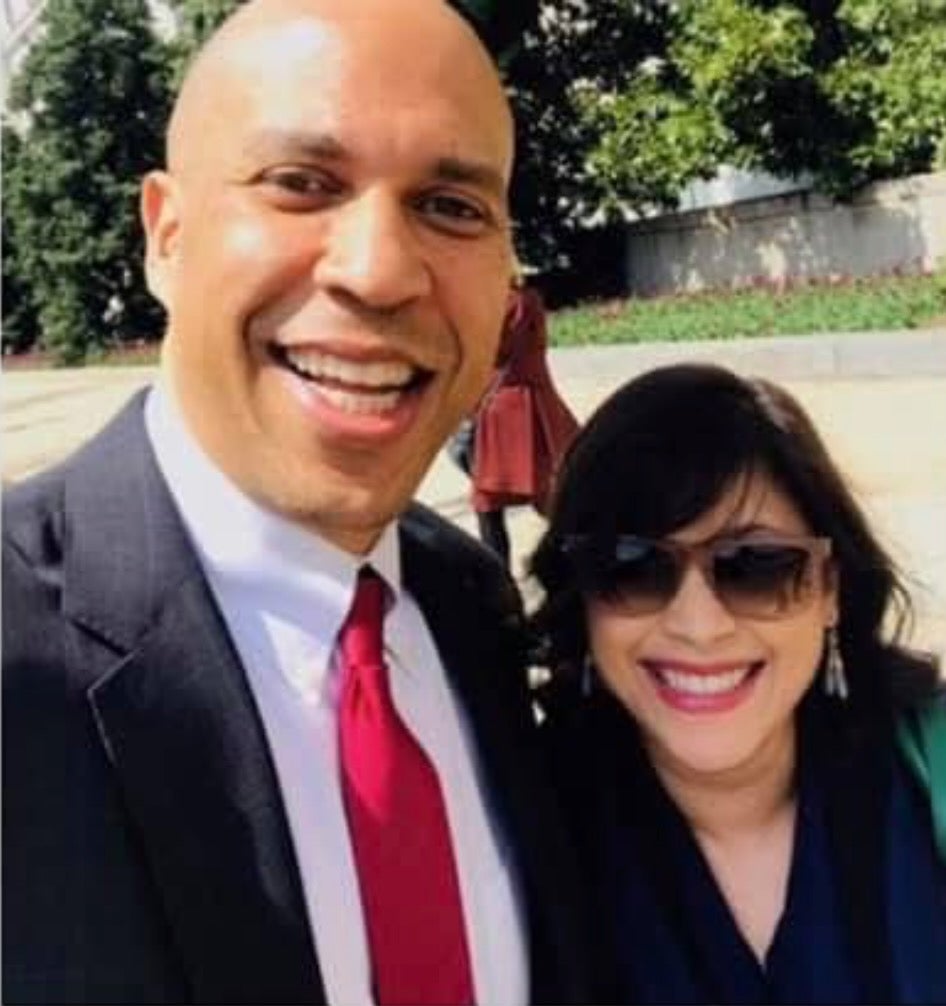
Serving as the PAEA president for 2025 felt like it was the right time to step up to take on this role at this particular time in my PA career. The profession and health care are evolving rapidly, and the workforce, curricula, AI and higher education are all spaces that are undergoing massive shifts in how we currently practice, educate and care. I wanted to help in a way that was bold, inclusive and transparent.
As president, I was able to elevate conversations that are important to our members but also for our entire profession. On the flip side, it allowed me to grow and become aware of the questions we haven’t asked or the solutions we are not yet prepared to embrace, and how to use these unknowns to strengthen our profession. I’m hopeful that my time in this role has moved us forward collectively and laid the groundwork for future leaders to ask better questions and keep building toward a profession that is responsive and resilient.
PAEA Accomplishments

One of the most exciting developments during my presidency was the expansion of PAEA’s state-level advocacy efforts, thanks to new investments approved by the Board. We worked intentionally to build stronger relationships with state legislative leaders to help advance policies that directly impact our programs, especially around clinical training site shortages, which remain one of the most pressing challenges in PA education.
At the same time, we continued to support and elevate PAEA’s work at the federal level, especially around funding for health workforce development. Both levels of advocacy— state and federal—are critical to making sure our programs have the resources and infrastructure they need to thrive. For me, it’s been incredibly meaningful to help turn our members’ concerns into focused, forward-moving action.
For the strategic plan, it was important to me that we didn’t just build a document and that we built alignment, direction and momentum. What’s felt most meaningful, though, is turning member input into real advocacy, especially around accreditation. We heard the stress, the questions, the uncertainty and instead of just acknowledging it, we acted.
Impact as PAEA President
My entire presidency was particularly meaningful as I realized how deeply members trust PAEA to advocate for them during times of change. I had conversations with current faculty who were juggling burnout, evolving curricula and shrinking clinical site availability. What struck me most was how much they weren’t asking for easy answers, they were asking for alignment, support and a voice in shaping the future. It reminded me that this role was not just about representing our members, it was about advocating for them within larger systems that weren’t built with them in mind.
Whether it’s AI in education, accreditation reform or clinical workforce challenges, we’re in a moment where systems are shifting. The frameworks that once were stable are now fluid and the pace of change requires us to be intentional in our adaptation, but it also requires vision and leadership.

These shifts are forcing us to rethink how we prepare future clinicians, how we measure educational quality, and how we sustain a workforce when there is increasing demand and burnout. The policies and curricula that worked for us in the past will not serve us for the future we want to see in our profession. We are in an era where long-standing assumptions are being questioned, and emerging technologies are impacting the intersections we lead in health care and education. We have to meet this moment and navigate change together so that we can shape the path forward for all the stakeholders we serve.
Being able to bring member perspectives to national conversations and help create policies that reflect what’s actually happening on the ground was one of the most transformative parts of this experience.
Bringing the PAEA Presidency Back to Pitt

Through my leadership at PAEA, I have been able to bring insights back to the Pitt DMSc program that are directly incorporated into our curriculum: everything from national policy and program innovation to broader educational trends identified by valued leaders in our profession and all those with whom we engage. This role has really allowed me to elevate the conversations at Pitt, not just about today’s challenges, but how we prepare for the unknown.
Being the PAEA president has influenced what I can bring to Pitt PA and the DMSc curricula. I stay agile and nimble, and as I evolve and learn more, I share that with my students. Course content is regularly updated to reflect the evolving landscape; assignments have become more focused on personalized learning to help students apply it to their place of practice.
As I look forward to our future course offerings and how to keep our current courses fresh, I’ve been able to weave in more on change leadership, digital transformation and how to influence systems. Our students are not just clinicians, they are policy leaders, academic leaders and innovators. I think it’s important to give them the tools they need to lead with clarity and courage.
Looking Towards the Future
The PA profession is expanding and is in spaces we would not have imagined 20 years ago. We are in education, digital health, leadership, global health and AI, and Pitt is preparing PAs for this future. We want our students not just to graduate as a PA, but as a PA poised to lead in this transformative landscape. We are educating and mentoring PAs who can code-switch between the clinics, classrooms and Capitol Hill. How amazing is that!
Both my roles as an educator and as president fuel each other. My work at PAEA has helped make me a better educator and my work at Pitt continues to remind me why this national work matters. I would be remised if I didn’t thank the incredible leadership and team at Pitt who support me so that I can take the time and space to do this work. I couldn’t do it without them!
There is much more to come—I am already working on ideas that will continue to elevate Pitt PA Studies and set the profession up for success and future practice. Please follow me on LinkedIn to stay in touch and join us on this exciting journey!