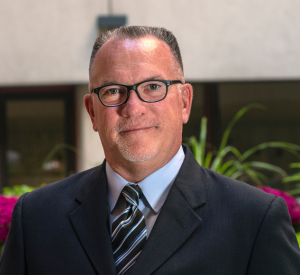
For over 30 years, Kevin Conley has dedicated himself to the academic and clinical world of athletic training, providing athletes and students with invaluable knowledge of the field and making profound impacts on their personal and professional lives.
Conley, who serves as SHRS associate dean for undergraduate studies, Sports Medicine and Nutrition Department chair and professor, was honored at a ceremony on March 31 with a Chancellor’s Distinguished Award for Public Service, recognizing the breadth of his accomplishments and contributions over the last three decades. Conley was awarded for serving on the board of directors of Special Olympics Pennsylvania and helping to lead Project ALL STAR (Active Life and Longevity: Special Olympics Transforming Athlete Results), bridging Pitt scholarship with meaningful community impact.
Conley’s public service through his work with Special Olympics helps to advance inclusivity in sports and provides students at the University of Pittsburgh with the opportunity to work with patients of all backgrounds, experiences and abilities.
Working with Special Olympics
Since 1968, Special Olympics has offered over 30 Olympic-type sports to more than four million athletes with intellectual disabilities in Africa, Asia, Europe, Latin America, the Middle East and North America. Special Olympics Pennsylvania was established in 1970, providing 21 sports to their athletes. The organization routinely collaborates with schools such as Pitt to assist with medical assessments and screenings.
Conley has been working with Special Olympics since 1996, and since 2022 has served on the board of directors of Special Olympics Pennsylvania as a member of the health and wellness task force as well as the programming committee.

While he has enjoyed working with traditional athletes for many years, Conley shared that it is especially rewarding to work with the Special Olympics athletes.
“There’s so much satisfaction in seeing the athletes just compete,” Conley said. “They love getting a medal when they succeed, but it’s more so about the camaraderie they develop with their teammates and other athletes and the joy that they get in competition. They’re so appreciative of the opportunity to participate.”
Conley also worked to spearhead Project ALL STAR which brings Special Olympics athletes together to participate in a longitudinal research study that includes surveys, focus groups and fitness assessments to measure the impact of Special Olympics participation on their physical and mental health over time. Student volunteers from SHRS, Pitt Health Sciences and other schools at the University have also contributed to collecting data for the project.
Andrew Fee, vice president of strategic partnerships at Special Olympics Pennsylvania, stated that Conley’s work within the organization has not gone unnoticed by the athletes.
“We can’t quantify his impact, but our athletes remember those interactions,” Fee said. “There are athletes that he took care of that would remember when he taped their ankle or gave them crutches. He’s had such a commitment of years of service moving health and fitness forward in this organization and making it a priority on the board, which has impacted all the athletes he has interacted with.”
Mary Murray, director of clinical education for the Athletic Training program and associate professor, emphasized the importance of Conley’s continued efforts with Special Olympics.
“His involvement with Special Olympics reflects a person who leads from a place of genuine care for others,” Murray said. “That passion is visible and consistent, and it sets a quiet but powerful example for faculty, staff and students alike about what service actually looks like in practice. That’s not something that can be manufactured, and it’s one of the things I most respect about him.”
Impacting the Future of Health Care
The significance of Conley’s work with Special Olympics is also found in the students he teaches at SHRS, providing them with exposure to an underrepresented population of patients.
“We take an oath as athletic trainers that we treat every patient the same—we don’t change the way we do things just because of an ability or a lack of ability,” Conley said. “Most of these students, all they’ve seen to this point are healthy, college-age student athletes who are performing at a really high level. So this is an opportunity to engage with a different population.”
This exposure extends far beyond the classroom, providing students with formative lessons that will make them stronger and more holistic clinicians to all types of patients.
“There’s data to suggest that, based on their training, health science students feel largely ill-prepared to walk into an exam room and treat a patient with intellectual disabilities,” Conley said. “However, the vast majority are much more confident after having volunteered at a Special Olympics event.”
Kathy Kelly, associate dean for academic outreach and advising and associate professor, underscored the significance of Conley’s work on the future clinicians he teaches.
“Dr. Conley’s contributions extend far beyond our campus, they reach into the heart of the community, changing lives through both skill and compassion,” Kelly said. “He is advancing the future of inclusive sports, anti-ableist advocacy and the transformation of systems, attitudes and opportunities.”
Receiving the Chancellor’s Award
Upon finding out he had received the award, Conley said it was a humbling moment.
“It was emotional because I’ve been so invested in the program over time and it’s been such a big part of my life, and my kids have grown up around Special Olympics,” Conley said. “It’s great to get that recognition. But I also think it shines a light on the importance that we at the University of Pittsburgh place on the relationship we have with the Special Olympics program in the Pittsburgh area, but also more globally with Project All-Star.”

For his colleagues, this award comes as no surprise. Murray stressed that Conley’s long-standing commitment to Special Olympics speaks to who he is as a clinician, educator and person.
“Over thirty years, he has woven himself into the fabric of this institution,” Murray said. “The knowledge he carries isn’t simply academic; it is relational as well as historical. He understands not just the structure of the university, but its culture, its values and the people who have dedicated their careers to it alongside him.”
Whether in the classroom, or through his unwavering efforts with Special Olympics, Conley has left a lasting mark within the athletic training field and continues to reshape the future of health care.
“Dr. Conley’s recognition reflects the very best of SHRS—where scholarship, education and service come together to address real-world challenges,” said SHRS Interim Dean David C. Beck. “He is advancing inclusive, community-engaged research while creating transformative learning experiences for our students. His work exemplifies how faculty excellence can be translated into meaningful public impact, improving the health and well-being of individuals with intellectual and developmental disabilities while preparing the next generation of clinicians to provide equitable, compassionate care.”