Athletic Training
Featured scholarship opportunities available to current students in the AT program at Pitt.
The Dr. Freddie Fu Athletic Training Scholarship
Dr. Freddie H. Fu has been instrumental in the development and success of the Athletic Training/Sports Medicine program. Several years ago, Dr. Fu endowed a scholarship to be awarded to worthy students pursuing a career in athletic training. First awarded in 2000, this scholarship recognizes four students who demonstrate outstanding academic and clinical excellence as well as involvement in activities outside the athletic training program that bring credit to oneself, the University and the profession of athletic training.
- Applicants must be enrolled in the Athletic Training Education Program at the University of Pittsburgh.
- Applications will be posted after Spring Recess.
Tim Kerin Memorial Scholarship
The Tim Kerin Memorial Scholarship has been established in cooperation with the Department of Athletics, the Athletic Education Program at the University of Pittsburgh and the Optimist Club of Wilmerding, PA, to assist worthy students in obtaining an undergraduate degree in athletic training. Tim Kerin was a dedicated athletic trainer who worked at the University of Pittsburgh as Head Athletic Trainer from 1970-1976.
- Eligible applicants must be a senior undergraduate student, in good academic standing, enrolled in the Athletic Training Education Program.
- The scholarship is awarded on the basis of school and community activities, leadership, citizenship and scholarship.
- Applicants applying for the award should exhibit characteristics that support the legacy of Tim Kerin.
- Applications will be posted sometime during the first part of the fall semester.
Jill Conley Memorial Award
The Jill Conley Memorial Fund was established in 2014 to pay tribute to our former faculty member and the athletic trainer for Pitt Women’s Basketball from 2000-2010. The Jill Conley Memorial Fund was developed via a partnership between the Department of Sports Medicine/Nutrition and the Department of Athletics at the University of Pittsburgh.
Award amounts vary per year.
David H. Perrin Student Award
The David H. Perrin Student Award is presented to a graduate or undergraduate student from the Athletic Training or Sports Medicine programs. The award shall be applied to expenses associated with the student’s academic program.
Award amounts vary per year.
Beaver-Moon Golden Panther Scholarship
The Tony Salesi/Rob Blanc Student Athletic Trainer Award is made possible by the Beaver-Moon Golden Panthers Athletic Fund Committee to support athletic training students pursuing their degree and intend to remain in the profession of athletic training. Named after two of Pitts most well-known and prominent athletic trainers, Rob Blanc and Tony Salesi recipients students receiving this award display enthusiasm and dedication to the profession in the spirit of Rob and Tony.
Click HERE for more information on SHRS Scholarship Opportunities
Dietitian Nutritionist Program
Students are encouraged to take a look at these opportunities for both funding and furthering their education.
Academy of Nutrition and Dietetics (Academy Membership Required)
The Academy of Nutrition and Dietetics, through its many association groups, offers a variety of scholarships and educational stipends to individuals pursuing undergraduate and advanced degrees in dietetics or food and nutrition-related areas. General scholarship and educational stipend information from the Academy of Nutrition and Dietetics Foundation, the dietetic practice groups and affiliate (state) and district dietetic associations can be accessed from the respective group.
Sports Science
Emerging Sports Science Professional Scholarship
The purpose of the Emerging Sports Science Professional Scholarship is to acknowledge and support students who demonstrate high-level scholastic achievement and professional skills as well as financial need. The scholarship is awarded once per year, pending available funds. This is only available to current students in the Sports Science program.
Eligibility:
Students eligible to apply must:
- be enrolled full-time in the Sports Science graduate program
- be a student in good standing
- demonstrate high-level scholastic achievement with a minimum overall cumulative GPA of 3.5 in all coursework completed
- be graduating in 2025 (Award is applied to Spring tuition bill)
NOTE: International Students who are fully funded and/or students who have a GSR/GSA/TA/TF* appointment through SHRS, are NOT eligible.
*GSR=Graduate Student Researcher, GSA=Graduate Student Assistant, TA=Teaching Assistant, TF=Teaching Fellow
Selection Criteria:
Scholarship recipients will be selected based upon:
- Demonstrated financial need – Financial need will be determined by the Office of Admissions and Financial Aid (OAFA) based on the filing of the Free Application for Federal Student Aid (FAFSA)
- NOTE: International students that are ineligible to file for FAFSA should still complete the scholarship application.
- Essay composition – Your essay should be approximately 350 words maximum, describing your professional goals and how your capstone project and/or experiences as a student in our program is preparing you for a future career in sports science.
Selection of Awardees
Awardees will be selected by a review committee designated by the Sports Science program. The amount of the awards will depend on available funds and the students’ financial needs.
Students will be notified in writing regarding their award status in mid-February.
This scholarship is sponsored by Hawkin.




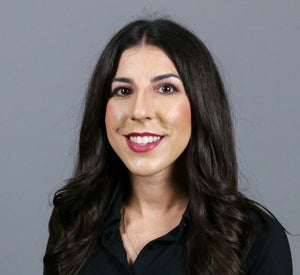




Trisha Cousins
Director of the Dietitian Nutritionist Program, Associate Professor
tcousins@pitt.edu







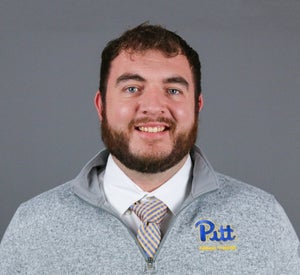



Brian Martin
Associate Director of the Neuromuscular Research Laboratory (NMRL), Research Assistant Professor
bjm135@pitt.edu


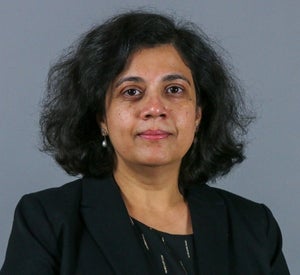
Mary Murray
Interim Chair for the Department, Director of Clinical Education for the Athletic Training Program, Director of the Sports Medicine Program and Associate Professor
mmurray1@pitt.edu
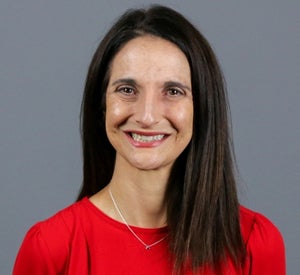
Bradley C. Nindl
Vice Chair of Research for the Department, Director of the Neuromuscular Research Laboratory (NMRL) and Professor
bnindl@pitt.edu