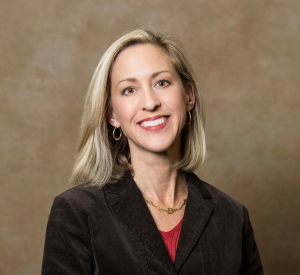
Katie Brown is a student in the Pitt Rehabilitation Science program. After completing the program in 2027, Brown plans to attend physical therapy school.
Read on to learn more about Brown’s experience in the Rehabilitation Science program and how the curriculum is preparing her for a career in physical therapy.
Finding Rehabilitation Science
I heard about this program by exploring the SHRS (School of Health and Rehabilitation Sciences) website and looking through all the undergraduate programs. Rehabilitation Science drew me in because the curriculum seemed so interesting. I felt more passionate about the courses in this program than any other program I looked at.

Initially, I planned to apply to the Communication Science program intending to become a speech pathologist. However, throughout my first semester at Pitt, I became more interested in physical therapy and researched the daily responsibilities of both professions and decided that I liked the exercise component of physical therapy more. Once I decided I wanted to pursue physical therapy , I explored the Exercise Science program in the School of Education in addition to Rehabilitation Science. I ultimately decided that Rehabilitation Science was the better fit for me. I was interested in many different facets of physical rehabilitation and the Rehabilitation Science program provided courses that targeted those interests, such as Introduction to Orthotics and Prosthetics. I was drawn to the ability to learn about different populations that have varying needs. For example, a college athlete will require a different course of treatment as compared to a diabetic patient who is navigating life after an amputation. I knew Rehabilitation Science had the courses to teach me the difference, and that was a decision maker for me.
Rehabilitation Science Coursework
My favorite courses have been Human Anatomy as well as Kinesiology and Biomechanics. Karthik Hariharan was an amazing professor for Human Anatomy, and it was a great opportunity to have a cadaver lab component in the class. I liked Kinesiology and Biomechanics because it was an applied version of what I learned in anatomy. I really enjoyed learning and performing clinical tests that I will likely use in the future.
I also took Introduction to Orthotics and Prosthetics and I did not expect to enjoy it as much as I did. Throughout the semester, we created an ankle-foot orthosis from start to finish. I enjoyed working with the tools hands-on. We also had a guest speaker, John Siciliano, who was a paralympic athlete and actor, who is an amputee. It was so educational to learn about his personal experience.
Additionally, I am pursuing the Pathokinesiology in Rehabilitation certificate. I chose this certificate because the courses are most applicable to physical therapy. Kinesiology and Biomechanics is one of the required courses, so I anticipate enjoying the classes that I will take in the coming semesters!
Involvements Outside of the Classroom
This summer, I will be studying abroad in London for six weeks! During this time, I will be interning at a research institute that centers around developing inclusive technology for those with disabilities.
Last summer, I shadowed at two different physical therapy locations. One was an inpatient rehabilitation center, and the other was an outpatient clinic within a hospital. I was able to work with a variety of patients including geriatric patients, amputees, stroke patients and spinal cord injuries.

I also volunteer at UPMC Presbyterian once a week. Currently, I am in the Outpatient Neurology Clinic, but I also spent a semester at the Falk Pharmacy. Although neither of these locations is focused in physical therapy, I have learned more about other health care disciplines and patient care in general.
Making Connections
I have had a great experience with all of the Rehabilitation Science faculty. However, Andrea Hergenroeder, who is the director of the Rehabilitation Science program, has provided me with so much support. I met with her even before I was in the program. She always has great advice, and I know I can go to her when I am worried about something related to my academics and career path.
Likewise, I have met so many new people in my cohort. My first two years of college before entering the Rehabilitation Science program, I did not make many friends within my classes. The class sizes were large, and I did not find many people on the same path as me. However, within my cohort, I have been able to find so many like-minded people. Each new class I take, I get to know different people and form connections with them. It is such a bonding experience to have smaller class sizes and learn the same challenging content.
Preparing for Physical Therapy School

The Rehabilitation Science curriculum is great because it was created with graduate school in mind. While looking at the prerequisites for different Doctor of Physical Therapy (DPT) programs, I realized how perfectly the curriculum is created for the transition from an undergraduate program to graduate school. I have all, if not most, of the required courses for DPT school without having to deviate from my major and certificate. Additionally, most of the faculty in Rehabilitation Science have worked or are currently working in the field. My professors often shared patient stories, which have opened my eyes to the clinical applications of the content we are learning.
If you are interested in Rehabilitation Science, you should definitely apply! This program changed my college experience in the best way. If you are a freshman or a sophomore and are curious about the program, you should go to the information sessions and join the Rehabilitation Science Student Association (RSSA). I joined RSSA as a sophomore and was able to learn a lot of information from juniors and seniors in the program that I did not know previously.
Related Stories

How Rehabilitation Science is Preparing Me for Medical School
Sahana Katakol (BS '27) is a student within the Pitt Rehabilitation Science program who plans to attend medical school upon graduation.
Read the full story
How the Rehabilitation Science Program is Preparing Me for Chiropractic School
Tara Dean (BS '27) is a student within the Pitt Rehabilitation Science program who plans to attend chiropractic school upon graduation.
Read the full story
How Rehabilitation Science is Preparing Me for Physician Assistant School
Maria Ahmad (BS '26) is in her final year in the Rehabilitation Science program which has prepared her for a career as a physician assistant.
Read the full story