Department of Communication Science and Disorders

Home | Department of Communication Science and Disorders

Overview

Pitt’s Department of Communication Science and Disorders is making an impact on clinical best practices through exceptional academic programs and interdisciplinary research collaborations. Studying the processes of human language, speech, voice, swallowing, hearing and balance, and delving into the nature of these disorders, and how to evaluate, manage and prevent them.

Renowned faculty collaborate with like-minded scientists in other disciplines at the University and beyond. State-of-the-art research laboratories foster team-based science that leads to novel treatments and interventions that improve patient outcomes.

Students actively participate in clinical fieldwork—serving patients from newborns to the elderly—finding new ways to tap the human potential to absorb and express ideas. Upon graduation, they are ready to assume leadership roles in universities, hospitals, long-term care facilities, schools and rehabilitation centers, as well as private practice.

Mission Statement

Our mission is to be a model program driving the generation, dissemination and application of knowledge in the science and practice of audiology and speech-language pathology.

Vision Statement

We are a nationally and internationally recognized program in the training of audiologists, speech-language pathologists, and speech and hearing scientists and provide opportunities for trainees to become leaders in clinical service, education, research and service to the professions.

Strategic Plan

The stated or implied mission, goals, and objectives expressed above reflect on-going efforts and forward-looking plans toward further development of the CSD Department and its programs, as reflected in the department’s strategic plan.
Student Achievement Data

Our professional degree programs in Audiology (AuD) and Speech-Language Pathology (MA; MS) are highly ranked by U.S. News & World Report.

Additionally, our graduates are successful in passing their national board examinations (praxis) at the end of their program and becoming employed.

Click the links below for a summary of our program completion and employment rates and successful completion of national examinations by our students.

Programs

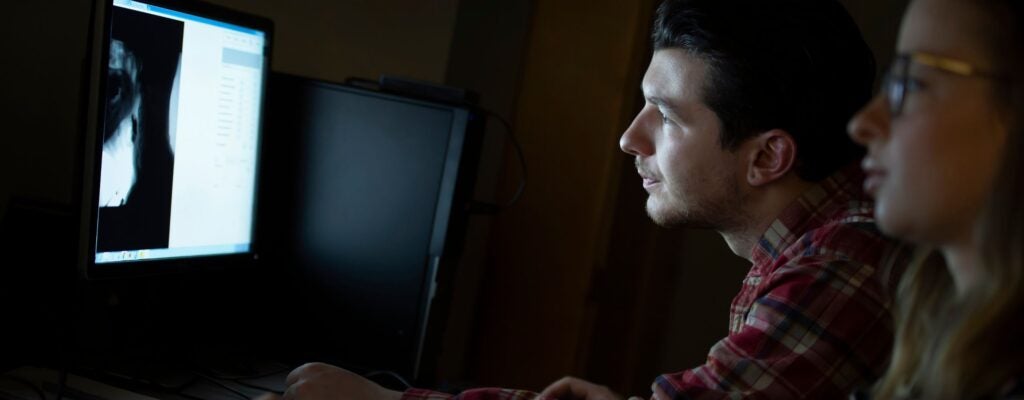
Two students looking at a screen in a dark room observing imaging of inside of an ear canal.
Audiology (AuD)
On-campus
Duration:

4 years
(11 terms, including 3 summer terms)

Program Start:

Fall term (August)

Application Opens:

July 15, 2026

Application Closes:
  • January 15, 2027 - Submitting the application by December 15 is strongly recommended to allow time for the verification process.
Communication Science (BA)
On-campus
Duration:

2 years
(4 terms)

Program Start:

Fall term (August)

Application Opens:

October 5, 2026

Application Closes:
  • March 1, 2027
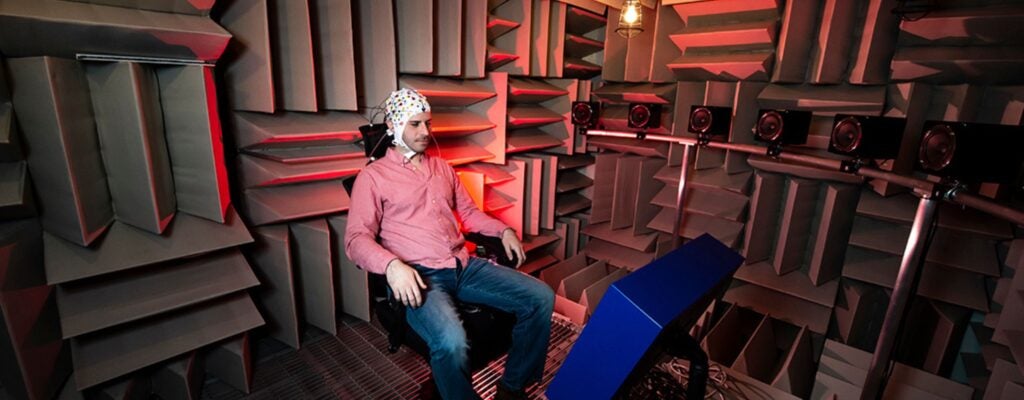
Research subject sitting in room with textured sound panels.
Communication Science and Disorders (PhD)
On-campus
Application Opens:

September 1, 2026

Application Closes:
  • January 15, 2027
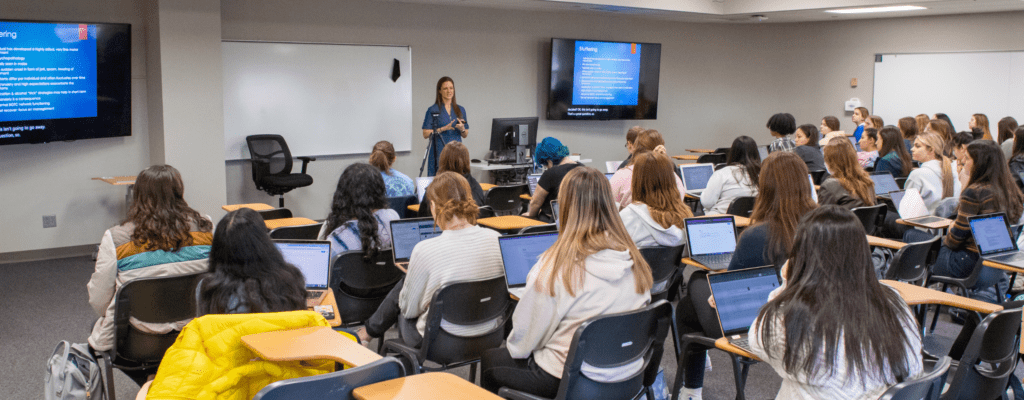
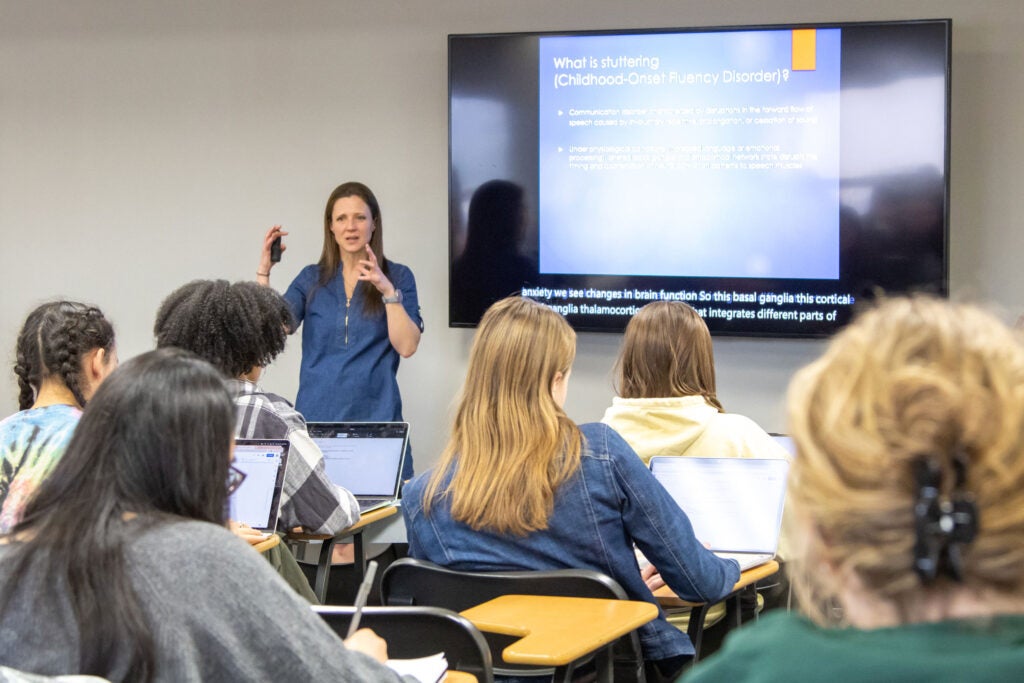
Full classroom photo from the back of the classroom observing a speaker.
Communication Science and Disorders, Post-Baccalaureate Year
On-campus
Duration:

Varies

Program Start:

Fall term (August)

Application Opens:

September 1, 2026

Application Closes:
  • International Students (F-1) - May 1, 2027
  • Domestic Students - August 1, 2027
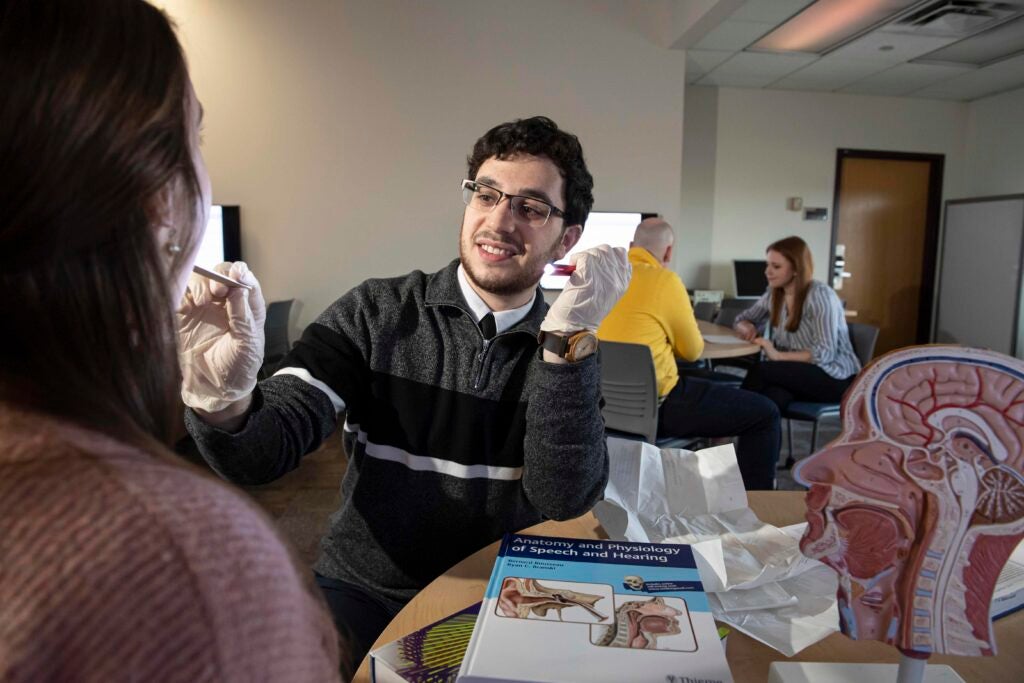
Man wearing glasses holding a small flashlight examining a female patient model in the foreground.
Speech-Language Pathology (MA/MS)
On-campus
Duration:

2 years
(5-6 terms, including 1 summer term)

Program Start:

Fall term (August)

Application Opens:

July 15, 2026

Application Closes:
  • January 15, 2027 - Submitting the application by December 15 is strongly recommended to allow time for the verification process.

Scholarships

Explore the available scholarships offered by the department.

The Emeritus Award

The Emeritus Award was established in 2002 from an endowment funded by an emeritus CSD faculty member. This award recognizes outstanding academic achievement. Students are nominated by faculty members for each award year. The competition begins in the Fall Term.

The Audrey Holland Endowed Award

The Audrey Holland Endowed Award is designated to support undergraduate and graduate students to design and conduct research in the Department of Communication Science and Disorders. The awardee may use the award for research related supplies and equipment, subject participation, statistical support, travel to present research findings, and other related items. Students self-nominate for this award.

Audrey Holland, long time Pitt CSD supporter and noted Aphasia clinician/researcher, will be missed by her Pitt family.

Leadership Education in Neurodevelopmental Disabilities and Related Disorders (LEND)

The LEND Center at the University of Pittsburgh is one of 60 LEND programs in every state, the District of Columbia, the United States Virgin Islands, Puerto Rico, and six Pacific Basin jurisdictions preparing trainees from a wide variety of professional disciplines to assume leadership roles, ensure high levels of interdisciplinary clinical competence, and enhance the ability of clinicians to diagnose, treat, and manage complex disabilities in youth and adolescents.

LEND Leadership Trainees are eligible to earn a stipend.

Other Scholarship and Award Opportunities

There are several scholarships and grants sponsored by ASHA and ASHFoundation. Click here for more information on any of these opportunities.
 

By Program

TRanslational Auditory NeuroScience: LAb-based Training for Empowered Self-efficacy

Calling aspiring audiologists for this funded opportunity to study at Pitt!

The University of Pittsburgh School of Health and Rehabilitation Sciences (SHRS) Doctor of Audiology (AuD) program is excited to offer five (5) audiology students each year an opportunity to participate in the TRANSLATES program.

This funded opportunity is for aspiring audiologists with an interest in clinical science. The program will help Pitt audiology students develop research skills to open doors to new opportunities in their future audiology careers. Future career opportunities might include:

  • Partnering in clinical research with academics, manufacturers and/or government agencies
  • Employment in research labs in academia, industry and government
  • Conducting research as part of your clinical position
  • Pursuing research-focused careers

Students who are admitted into Pitt’s Audiology program each fall are eligible to apply to this program! Each year, audiology students will be selected in the spring to start the TRANSLATES program during the summer term. The program will span the second and third year of the AuD curriculum and will complement the standard plan of study.

This research training program offers partial tuition and stipend funding. Students receive a monthly stipend and $9,000 towards tuition in the fall/spring of their second year. They may receive a stipend (no tuition) in year three depending on the lab and their projects or responsibilities.

For questions about TRANSLATES, please reach out to Vice Chair for Clinical Education and Professor Elaine Mormer at emormer@pitt.edu.

Five women standing together with their hair pulled back wearing athleisure wear posing for a photo while hiking.

Doctor of Audiology Student Catherine Dymowski Shares How the TRANSLATES Program Helped Develop Her Research Skills

Doctor of Audiology student Catherine Dymowski shares about her experience in the TRANSLATES program.

Read the full story

Research

Pitt Department of Communication Science and Disorders has a unique combination of internationally-recognized scientific and clinical strengths, active research partnerships with world-class experts in computational modeling, neuroimaging, engineering and data science, and close clinical partnerships with nationally-recognized health care providers. We have a diverse funding portfolio with support from federal sponsors such as NIH, NSF, DoD and non-federal sponsors (e.g., PCORI and foundation grants). Since 2019, we have received 27 federally-funded research awards and one non-federal contract totaling $15,519,435 in new awards.

Our active partnerships and grants enable us to provide hands-on training experiences relevant to each step in the preclinical-to-clinical translation process. We have has significant growth in external funding for predoctoral students and postdoctoral associates (e.g., NIH F31, F32, T32s) since 2019, totaling $469,301.

Research Areas

  • Aphasia
  • Computer-based language rehabilitation
  • Assessment and treatment of communication disorders secondary to hearing loss in pediatric and adult populations
  • Assessment and treatment of hearing disorders in persons with brain injury
  • Hearing loss across the age spectrum
  • Hearing aid satisfaction
  • Impact of swallowing disorders across the lifespan
  • Language processing; psycholinguistics; neurolinguistics
  • Differential diagnosis and treatment measures of amblyaudia; prevalence of auditory processing disorders in children at risk of academic failure
  • Laryngeal and respiratory neuroanatomy; voice and stress psychophysiology; and voice and communication along the gender spectrum

Active Research Labs and Projects

  • The Bilingual Phonology Lab (BiLab)
  • Brain Systems for Language Lab
  • Communication and Cognition Lab
  • Health Equity Access Lab (HEAL Lab)
  • Healthy Engagement thru Auditory Research (HEAR) Core
  • Integrated Biostatistics and Outcome Research Lab
  • Language and Brain Lab (LABLab)
  • Language and Rehabilitation Cognition Lab
  • Laboratory for Vocal Systems Anatomy and Physiology Research
  • Sayce Lab for Anatomy and Genetics of Voice
  • Speech Neural Systems Lab
  • Swallowing Disorders Initiative
  • Systems Neuroscience of Auditory Perception Lab (SNAPLab)
  • Translational Auditory Neuroscience Lab

Jack Matthews-Herbert Rubin Lecture

26th Annual Jack Matthews-Herbert Rubin Lecture

  • Dr. Howard Goldstein
  • “Confessions of a Treatment Researcher: Preparing scientists to develop effective interventions within an implementation science framework”

People

Carey Balaban

Secondary Faculty Appointment

cbalaban@pitt.edu
Lucas Berenbrok

Secondary Faculty Appointment

berenbro@pitt.edu
A man with short dark hair and facial hair wearing black glasses and a green sweater over a black and white checkered collared shirt.
Hari Bharadwaj

Vice Chair for Research for the Department and Associate Professor

hari.bharadwaj@pitt.edu
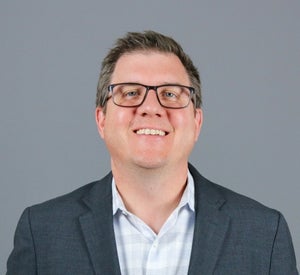
Man with short brown hair wearing glasses and a dark gray blazer over a light gray collared shirt.
Jason Bohland

Director of Research Training, Assistant Professor

j.bohland@pitt.edu
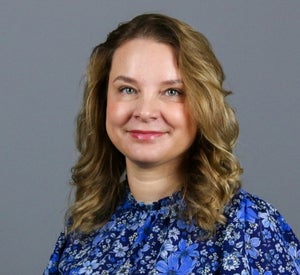
Woman with light brown curly hair wearing a blue floral print shirt.
Katia Bruno

PhD Student, Graduate Teaching Assistant

kab723@pitt.edu
Gray avatar.
Michael Colavito

Graduate Student Researcher

mvc56@pitt.edu
Gray avatar.
Brittany Coleman

Research Speech Pathologist

bmc162@pitt.edu
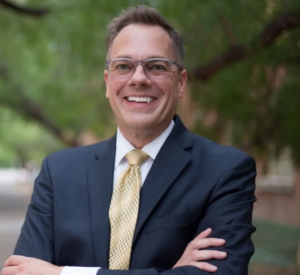
Man with light brown hair wearing a dark blue suit jacket over a white collared shirt with a gold tie.
Mark DeRuiter

Vice Chair for Academic Affairs, Director of the Doctor of Clinical Science in Medical Speech-Language Pathology Program and Professor

mnd24@pitt.edu
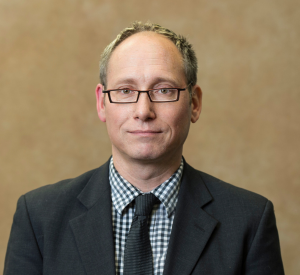
A man with short blonde hair wearing a black suit jacket over a black and white checkered collared shirt with a black tie.
Michael Walsh Dickey

Associate Dean for Graduate Studies, Professor

mdickey@pitt.edu
Julie Fiez

Secondary Faculty Appointment

fiez@pitt.edu
Woman with dark hair dyed blue hair wearing a dark collared shirt.
Allison Fritsch

Academic Success Initiatives Assistant Director

amf342@pitt.edu
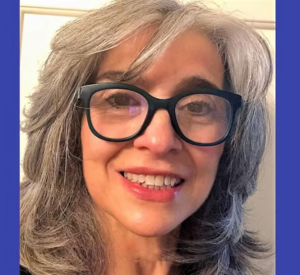
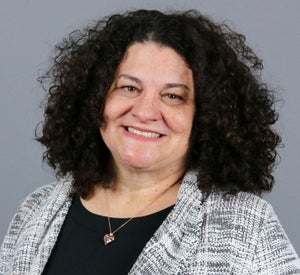
A woman with very short dark and light brown curls wearing dark rimmed glasses, a white blouse and a silver heart necklace.
Nancy Gauvin

Associate Dean of Community Engagement and Global Health Initiatives, Assistant Professor

nancy.gauvin@pitt.edu
Woman with dark brown curly hair wearing a black sweater.
Heather Geiger

Clinical Instructor, Adult Outplacement Coordinator

hag87@pitt.edu
Woman with long dark hair wearing a gray sweater over a black shirt.
Simran Gohil

Research Project Manager

sig93@pitt.edu
Woman with red hair wearing a gray shirt.
Amanda Hampton Wray

Vice Chair for Innovation, Associate Professor

hamptonwray@pitt.edu
Gray avatar.
Barry Hirsch

Secondary Faculty Appointment

bhirsch@pitt.edu
Man with white hair wearing wire glasses and a black suit jacket over a light blue collared shirt.
Jonas Johnson

Secondary Faculty Appointment

jonasj@pitt.edu
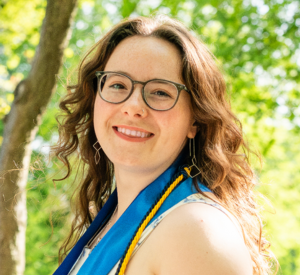
Woman with brown curly hair wearing glasses and a white top with a blue ribbon and a yellow graduation cord around her neck.
Catherine Kazakova

Lab Manager, Brain Systems for Language Lab

c.kazakova@pitt.edu
A woman with short curled auburn hair wearing a black blazer over a white blouse.
Alyssa Kelly

Research Speech Language Pathologist

ank155@pitt.edu
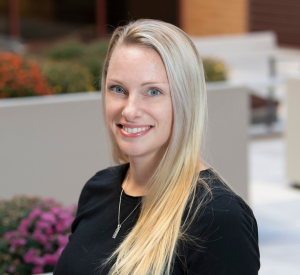
Woman with long blonde hair wearing a black blouse.
Victoria Kimmel

Executive Assistant to the Chair

vlk15@pitt.edu
Gray avatar.
Olivia Kirsch

Research Project Manager

oak2@pitt.edu
A woman with dark, short curly hair wearing a dark green blazer.
Jennifer Klara

Research Technician, Laboratory Manager

jmk289@pitt.edu
A woman with dark brown curled hair wearing a light green sweater.
Chrisa Kravetz

Program Director of the Pittsburgh Community Aphasia Center

chk247@pitt.edu
Woman with long, dark brown hair wearing a light blue denim button up shirt.
Ashley Krieger

Assistant Coordinator of Clinical Placements

aak95@pitt.edu
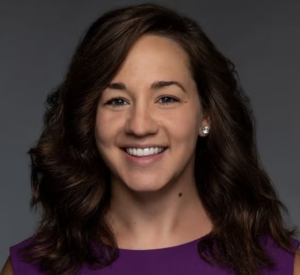
Woman with dark brown hair wearing dark purple.
Ali Lewandowski

Director of the Communication Science (BA) Program, Assistant Professor

ael89@pitt.edu
Woman with dark short hair wearing a brown sweater over a black blouse.
Erin Lundblom

Director of Clinical Education for the Speech-Language Pathology Program, Associate Professor

lundblom@pitt.edu
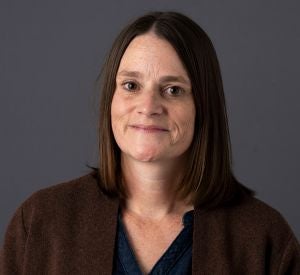
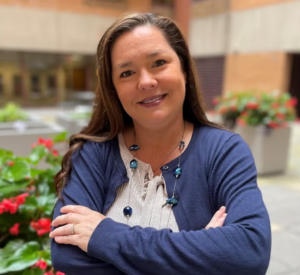
Woman with dark brown wearing a navy blue cardigan over a white shirt.
Laura Martin

Administrator of Academic Affairs and Admissions for the Department

lmm322@pitt.edu
Woman with black hair wearing a dark gray blazer over a white collared shirt.
Sharon McCague

Office Manager and Purchaser

smm387@pitt.edu
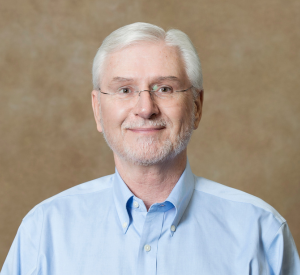
A man with white hair wearing a light blue collared shirt.
Malcolm McNeil

Distinguished Professor Emeritus

mcneil@pitt.edu
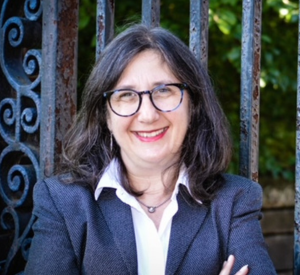
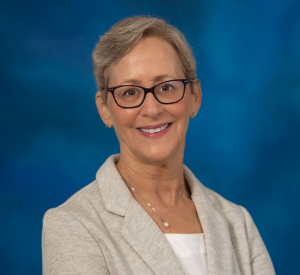
Woman with short light hair wearing dark red and brown glasses, a light tan blazer over a white blouse and a silver necklace with a pearl pendant.
Elaine Mormer

Vice Chair for Clinical Education, Professor

emormer@pitt.edu
Man with black hair wearing black and clear glasses and a red sweater.
Alexander Ocampo

Research Program Coordinator

amo104@pitt.edu
Woman with short, dark blonde hair wearing a black blazer over a light blue shirt.
Catherine Palmer

Chair for the Department, Professor

cvp@pitt.edu
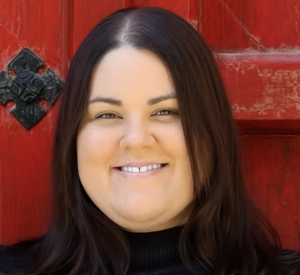
Woman with dark auburn hair wearing a black turtleneck.
Ashley Parker

Director of Research Operations, Director of Field Operations and Assistant Professor

ashley.parker@pitt.edu
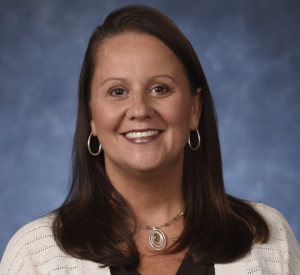
Woman with dark brown hair wearing a white cardigan over a black blouse.
Pamela Rikstad

Senior Manager of Finances and Personnel for the Department

pjr10@pitt.edu
Melissa Rohm

Speech-Language Pathologist

mer335@pitt.edu
Man with short brown hair and a beard wearing a white collared shirt in front of a green scenery.
Aaron Roman

Director of the Doctor of Audiology Program, Associate Professor

amr137@pitt.edu
Melissa Ruscetta

Director of Clinical Education, Assistant Professor and Academic Advisor

melissaruscetta@pitt.edu
Man with dark brown hair wearing a brown collared shirt.
Srivatsun Sadagopan

Secondary Faculty Appointment

vatsun@pitt.edu
Woman with blonde hair wearing a black shirt.
Lea Sayce

Research Associate Professor

lea.sayce@pitt.edu
Man with brown hair wearing a dark gray blazer over a white collared shirt with a silver tie.
Ervin Sejdic

Secondary Faculty Appointment

esejdic@pitt.edu
Gray avatar.
Greg Siegel

Secondary Faculty Appointment

gsiegle@pitt.edu
Woman with curly red hair wearing a gray blazer over a black blouse.
Emilie Thompson

Clinical Education Administrator

emt106@pitt.edu
Gray avatar.
Thanos Tzounopoulos

Secondary Faculty Appointment

thanos@pitt.edu
Gray avatar.
Jeffrey Vipperman

Secondary Faculty Appointment

jsv@pitt.edu
Woman with dark blonde hair wearing a black shirt.
Sarah Wallace

Director of the Speech-Language Pathology Program, Professor

sarah.wallace@pitt.edu
Woman with dark short hair and glasses wearing a dark shirt.
Tessa Warren

Secondary Faculty Appointment

tessa@pitt.edu

Events


Student Groups

SHRS Affinity Groups
SHRS Student Advisory Board
Student Academy of Audiology
National Student Speech Language Hearing Association
Audiology and Hearing Club

CSD Podcast

The Pitt CSD Podcast is a student-run podcast designed to educate clinicians and trainees in CSD (Research Unpacked) and to orient listeners from every walk of life to the rich tapestry of human communication experiences (Lived Communication Experiences).

Research Unpacked

Research Unpacked is designed to bridge the knowledge gap between research and clinical practice in the field of communication science and disorders (CSD). Hosted by CSD PhD students at the University of Pittsburgh, each episode invites expert guests who are researchers to walk our listeners through a peer-reviewed research article of the guest’s choosing. Similar to a journal club, our discussion will discuss the relevant background that informs the present research and review the articles’ hypotheses, methods, results, and discussions. Most importantly, each Research Unpacked episode aims to provide clinicians with a better understanding of the field’s research and evidence-based take-home points that they can implement right away in their clinical practice.

Lived Communication Experiences

Modeled on NPR’s popular Storycorps podcast, the Lived Communication Experiences series features Pitt CSD MA-SLP and AUD students and alumni who help individuals tell their own human communication stories. Those stories might be told by patients living with, recovering from, and accepting their communication and aerodigestive disorders, or by anyone who wants to hold up and celebrate the differences and diversity of communication that are unique to them. If you want to help tell a lived communication experience story, email us at pittcsdpodcast@gmail.com and tell us a little about the story you’d like to tell!

Featured Guests

Research Unpacked

In each Research Unpacked episode, Pitt CSD doctoral and post-doctoral trainees talk with researchers about a manuscript of the guest’s choice, and translate that research for listeners who are trainees and clinicians in CSD.

Latest Episodes

Lived Communication Experiences

The Lived Communication Experiences series features Pitt CSD MA-SLP and AUD students and grads, who help individuals tell their own unique human communication stories.

Latest Episodes

Resources

Current Student Hub

Students can find access to program and school materials in the Current Student Resource Hub. Pitt Passport is required.

Current Students can also find answers to commonly asked questions and connect with valuable resources and contacts. This resource helps students locate academic guidance, professional development, or support for each individual’s wellbeing including things like counseling or study resources.